Breakfast cereal is the most marketed food category in the supermarket, and the marketing has gotten very good. "Whole grain," "high fiber," "no added sugar," "heart healthy" — these labels mostly tell you what the food doesn't have, not what it does.
What's actually happening
Most "healthy" cereals are dehydrated, puffed, or extruded grains. The processing destroys the food's natural structure. Without that structure, the carbs hit your bloodstream almost as fast as pure sugar — even if no sugar was added.
A bowl of supposedly virtuous granola can spike your blood glucose higher than a doughnut. The crash 90 minutes later is what sends you searching for an 11 AM snack.
What to look for instead
- Protein on the plate. Aim for 25-30g at breakfast — eggs, Greek yogurt, cottage cheese, leftover meat. Protein flattens the glucose curve and keeps you full.
- Real fiber, not added fiber. Rolled oats, berries, vegetables, nuts. Avoid "inulin," "isomalto-oligosaccharide," and other powder-fiber additions — they don't behave the same way.
- Some fat. A spoon of nut butter or a quarter avocado slows digestion and extends satiety.
Examples of breakfasts that actually hold you to lunch
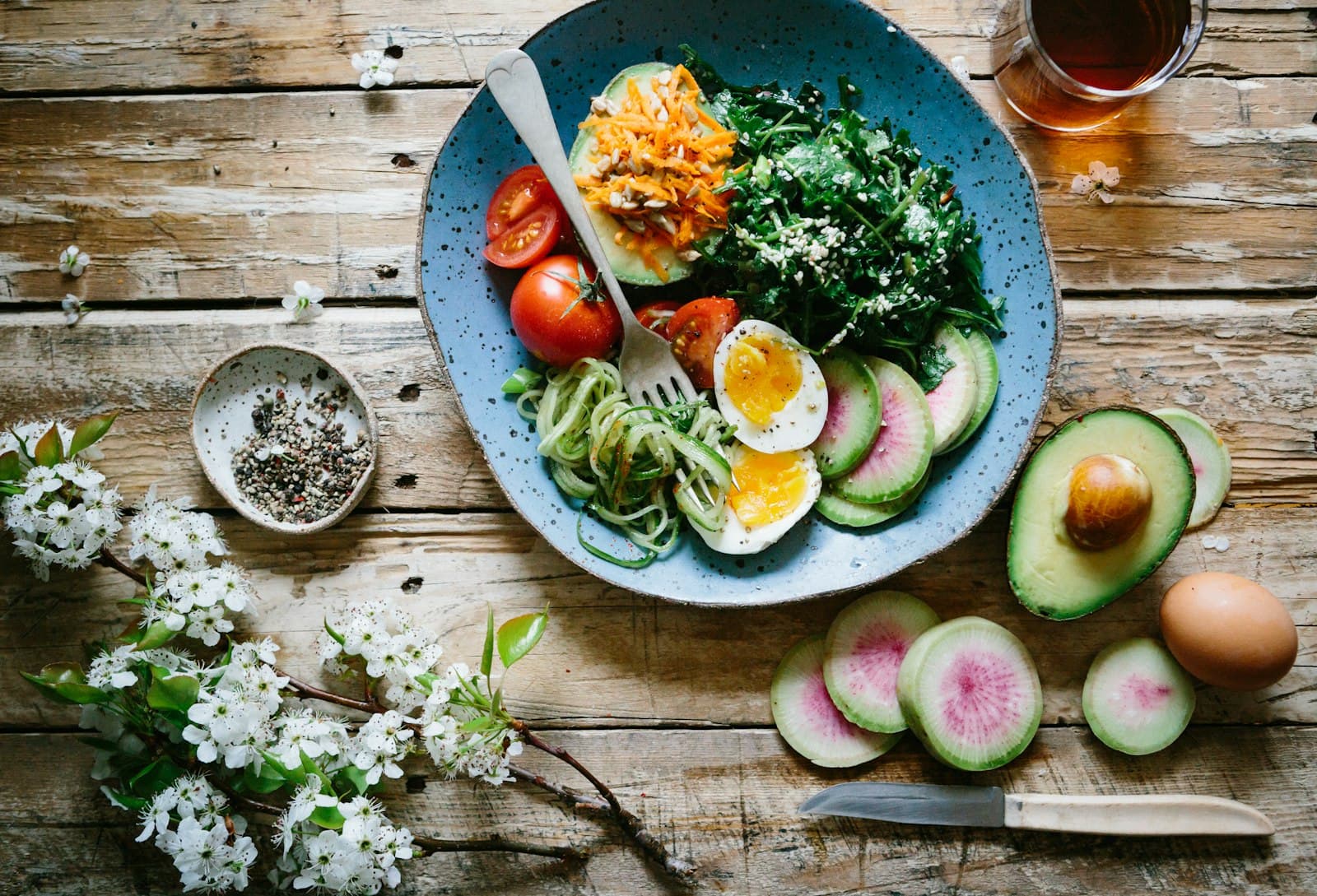
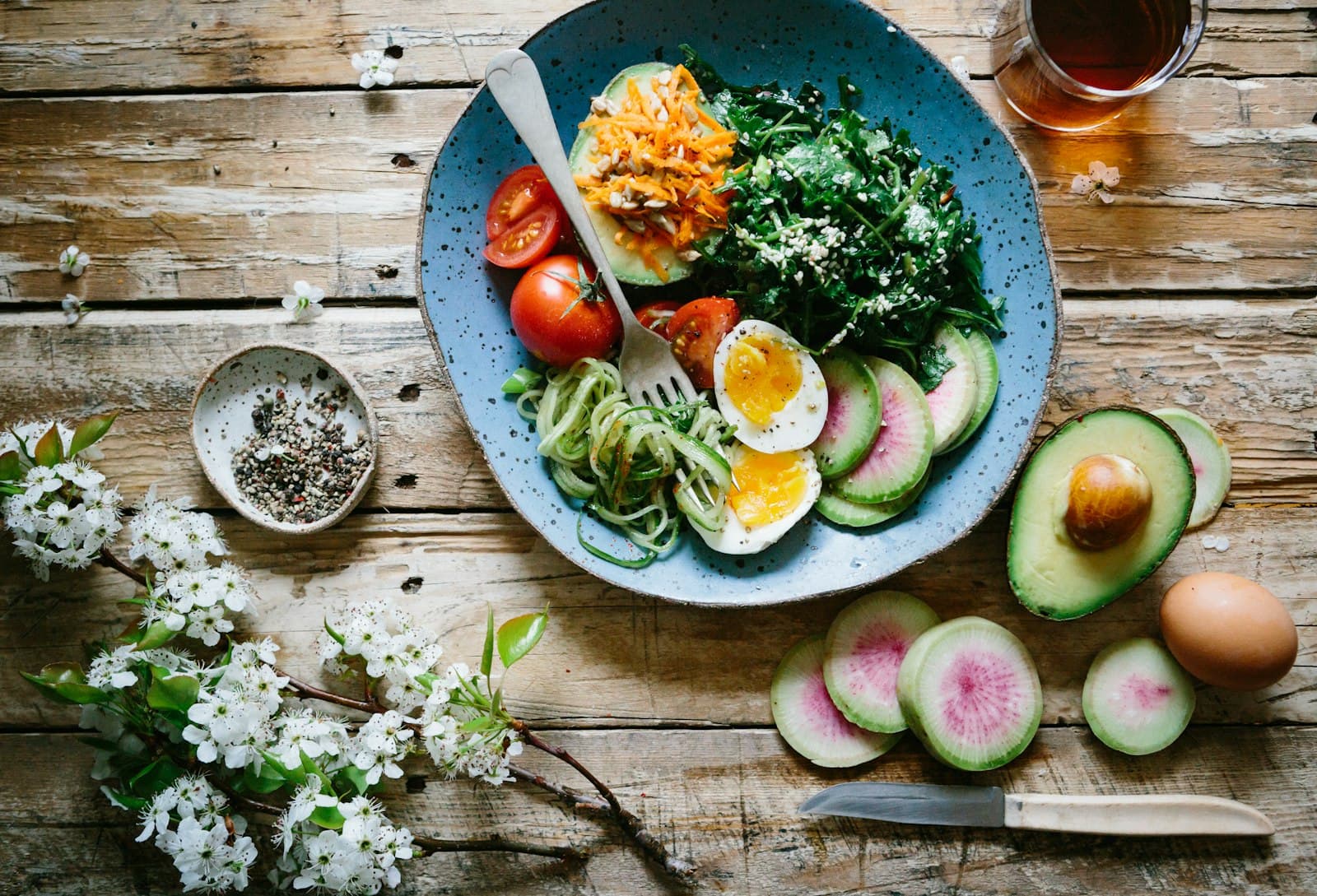
- 2 eggs + sourdough toast + half avocado + handful of berries
- 1 cup Greek yogurt + 30g granola + 1 cup berries + 1 tbsp almond butter
- Cottage cheese + smoked salmon + tomato
- Protein shake (30g whey + 1 banana + 1 tbsp peanut butter + oat milk)
The "healthy" cereal box still looks healthy. The label still says all the right things. But your 10:30 AM energy crash is data the label doesn't show you.