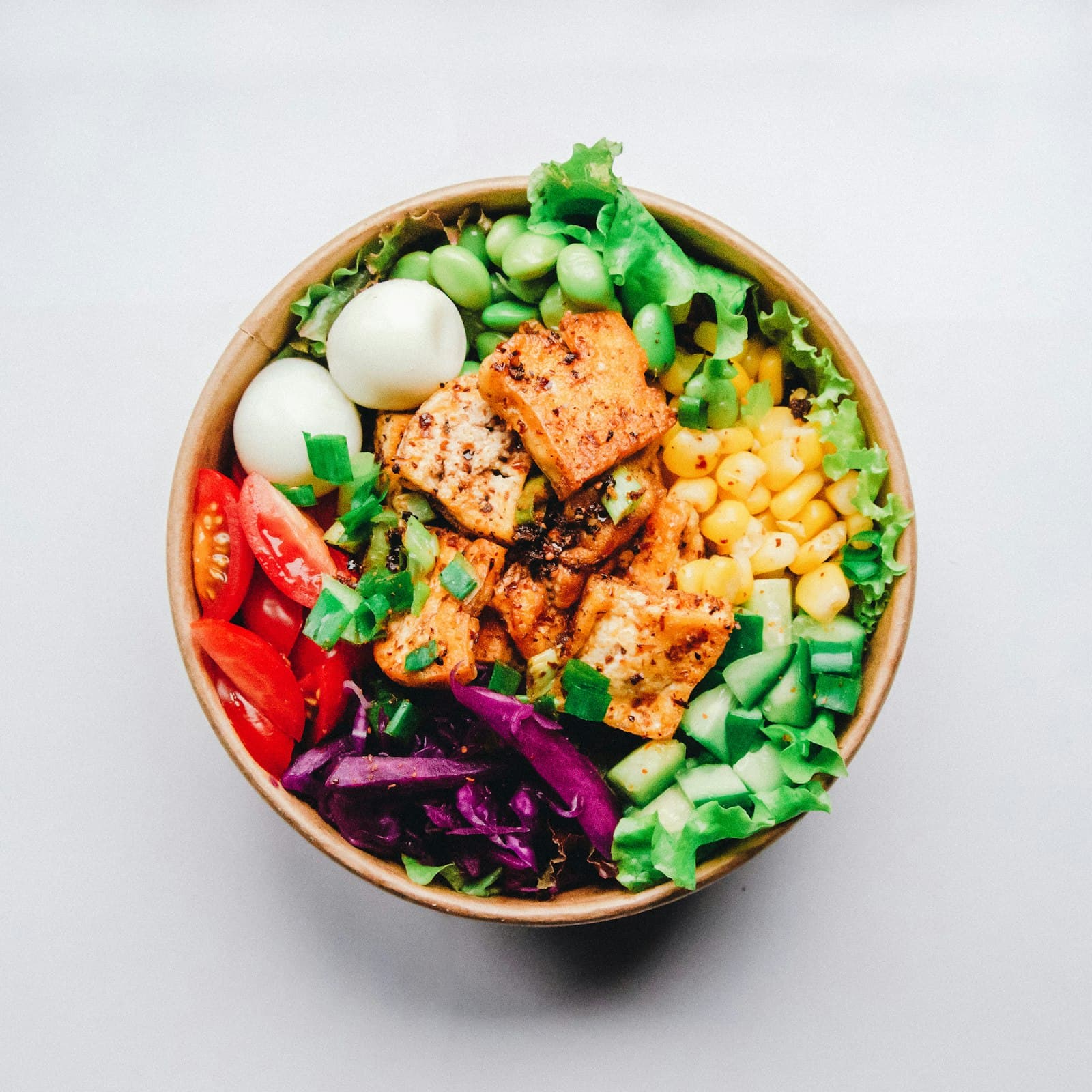
Magnesium runs over 300 enzymatic reactions in your body. Yet roughly 60% of adults in developed countries don't hit the daily recommended intake. Modern industrial farming has stripped magnesium from topsoil; the foods richest in it (leafy greens, legumes, nuts) are exactly the foods most people eat least of.
Symptoms of low-grade deficiency
Severe deficiency is rare and dramatic. Low-grade deficiency is common and fuzzy. Possible signs:
- Muscle cramps, especially at night
- Restless legs
- Trouble falling asleep
- Heightened response to stress
- Fatigue that doesn't track with sleep
- Frequent headaches
None of these are specific to magnesium — that's the problem. Most people never connect them.
Food first
The richest sources, ranked:
- Pumpkin seeds — 168mg per ounce
- Spinach (cooked) — 157mg per cup
- Black beans — 120mg per cup
- Almonds — 80mg per ounce
- Dark chocolate (70%+) — 65mg per ounce
Daily target: 400-420mg for adult men, 310-320mg for adult women. A handful of pumpkin seeds, a side of spinach, and a square of dark chocolate gets you most of the way.
If you supplement
Forms matter. Magnesium glycinate is the gentlest on the gut and best-absorbed. Magnesium citrate is also well-absorbed but has a laxative effect. Magnesium oxide — the cheap stuff in most multivitamins — barely absorbs at all.
200-300mg of glycinate before bed is the most popular protocol. Don't take it with calcium (they compete for absorption). Don't take more than 400mg without checking with a doctor — kidney issues need consideration.