If you've ever tried tracking macros, you know it works — and you know it's a part-time job. Most people quit within a month not because the food was bad but because the logistics were exhausting.
The 3-2-1 plate
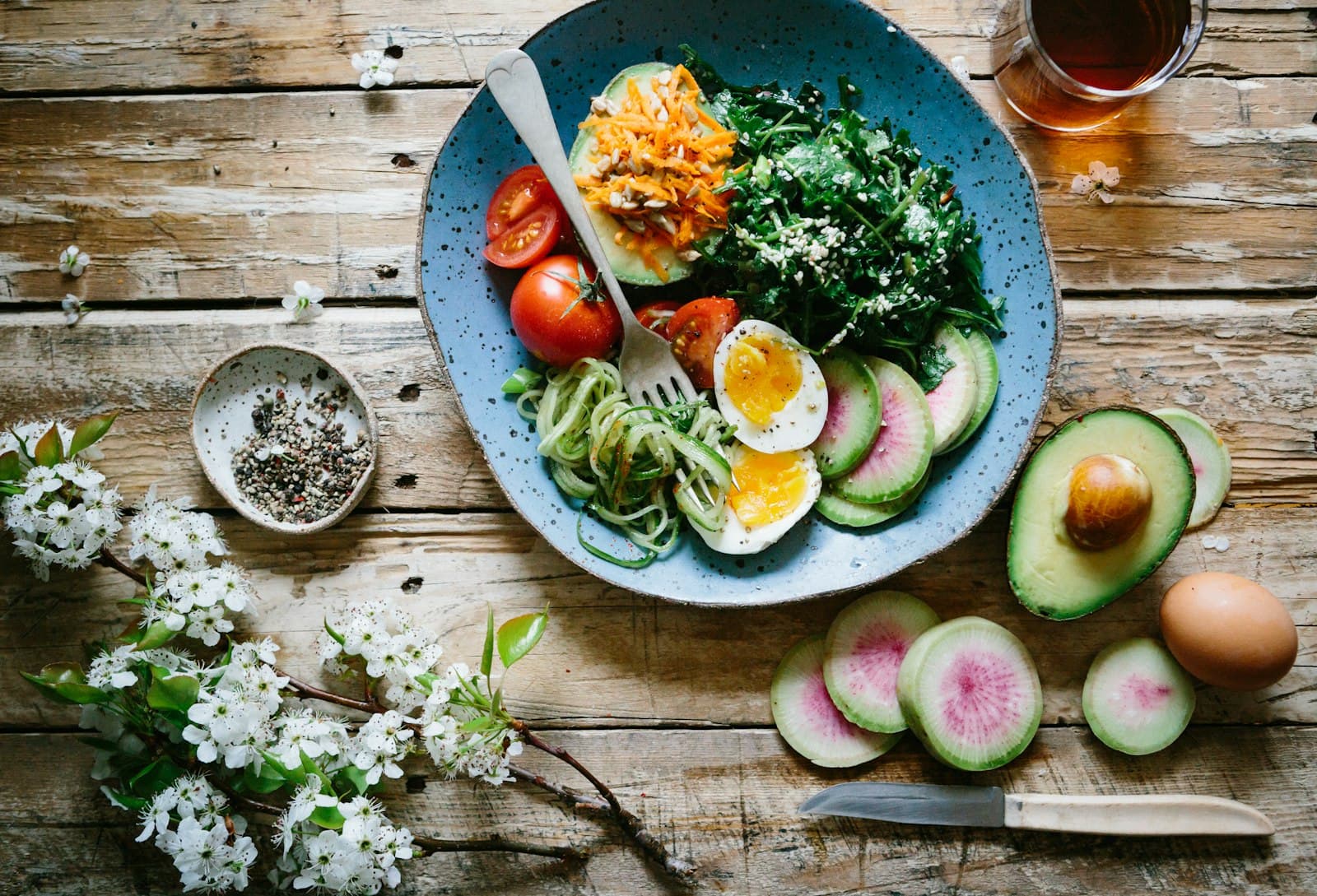
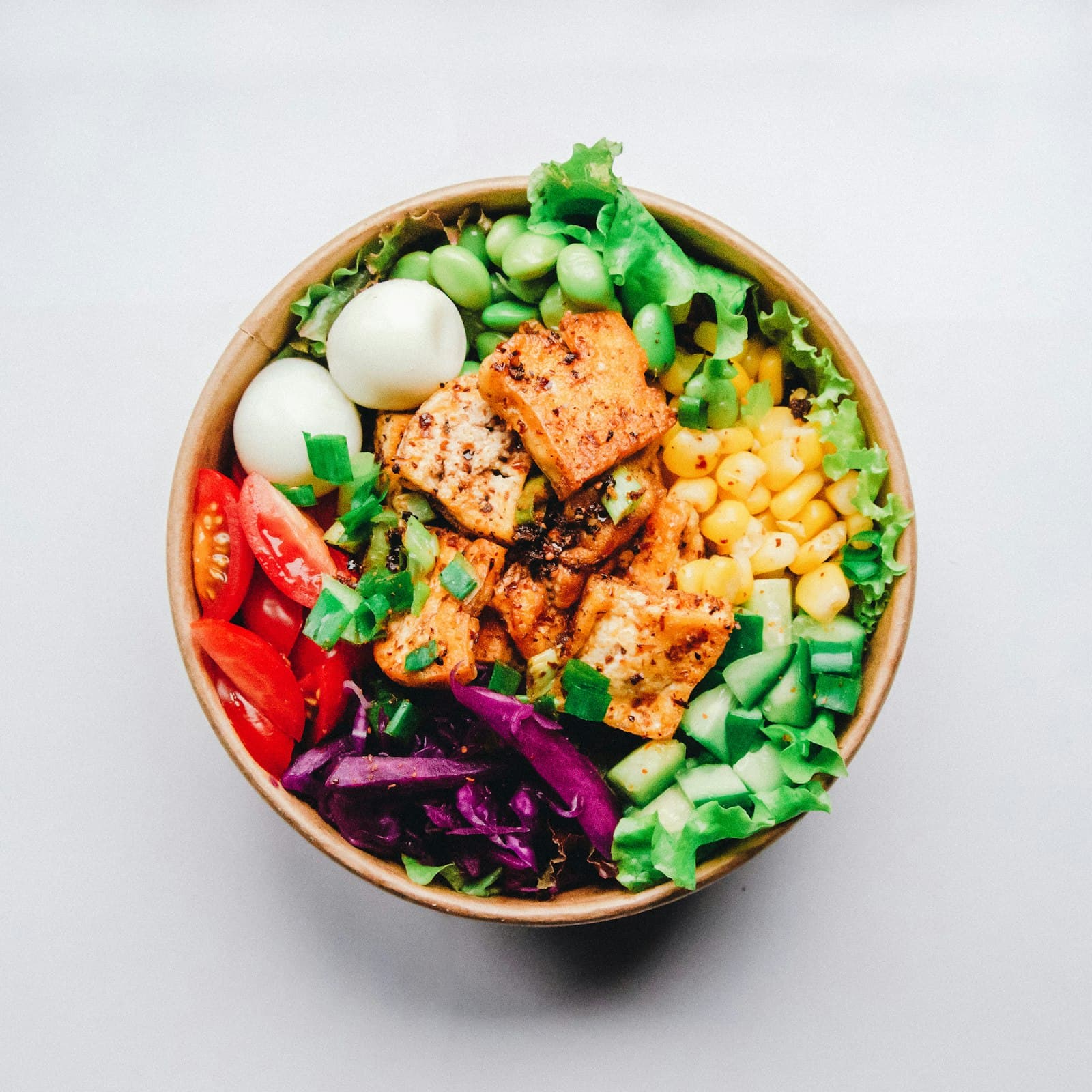
For lunch and dinner, build the plate in these proportions:
- 3 parts vegetables — any cooked or raw veg, the bigger the variety the better
- 2 parts protein — meat, fish, eggs, tofu, lentils, Greek yogurt
- 1 part starch or fat — rice, potatoes, bread, avocado, olive oil
That's it. No grams, no app, no pre-weighing.
Why it works
Most modern eating problems come from inverting these ratios — a giant pile of pasta with chicken on top, or a bowl with three slices of avocado, half a cup of rice, and a sprinkle of beans. The 3-2-1 plate forces vegetables to anchor the meal and protein to actually be present in adult quantities.
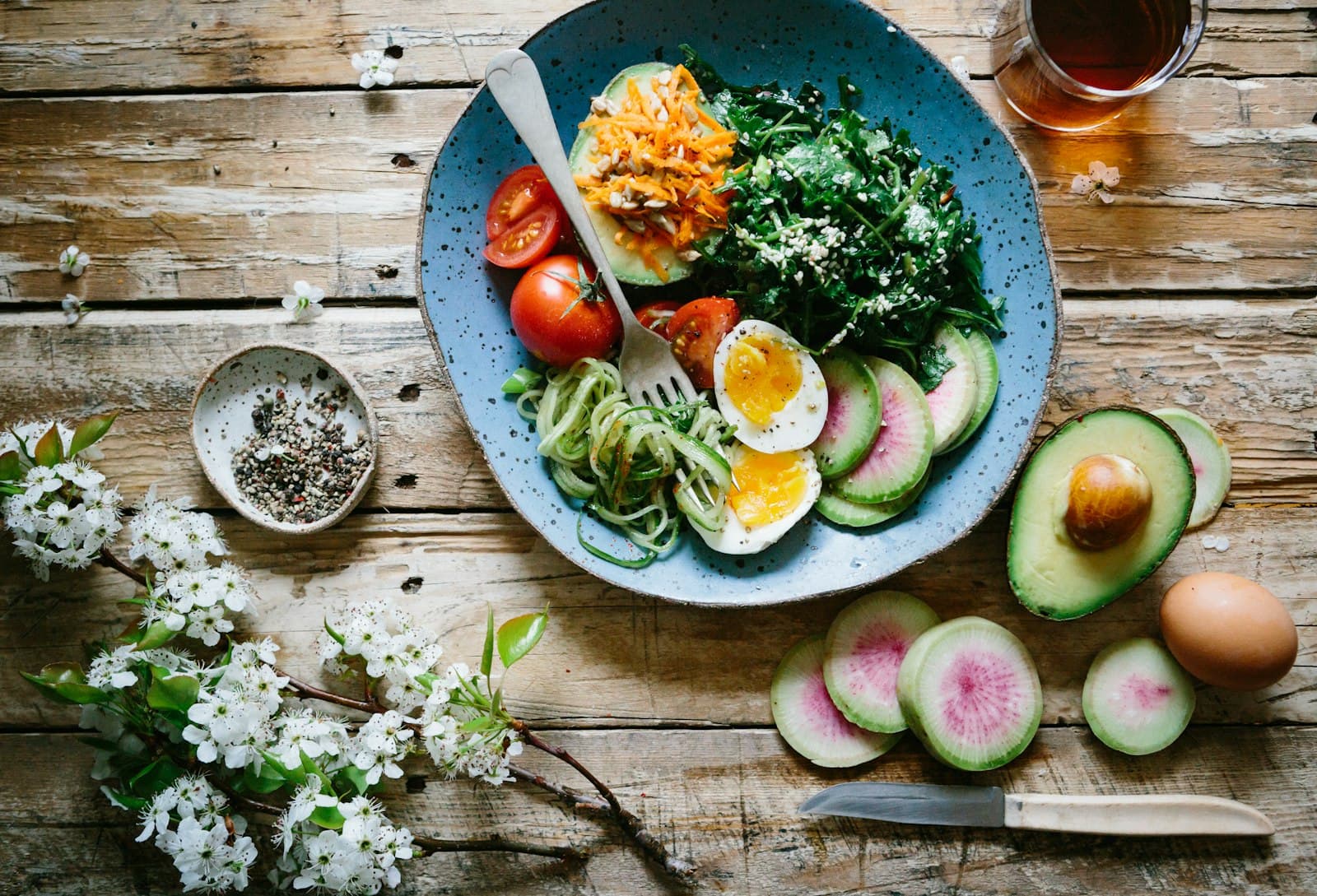
It also stops the "I had a salad" trick — a salad with two ounces of grilled chicken is not a 3-2-1 plate. Add an egg, some chickpeas, half an avocado.
Where it breaks
- Breakfast doesn't fit cleanly. Aim for 30g of protein and stop worrying about ratios.
- Endurance athletes need way more starch than 1/6 of the plate.
- Soups, stews, and one-bowl meals need eyeballing the ingredients before mixing.
The point isn't perfection. It's a default that's good enough most of the time, leaving your brain free to think about anything else.