The Recommended Daily Allowance for protein — 0.8g per kg of bodyweight — comes from studies measuring the minimum to prevent muscle wasting in sedentary adults. It's a floor, not a target. Eating that little is like aiming for the lowest passing grade.
The optimal range
Decades of research on body composition and aging converge on:
- 1.6-2.2g per kg for active adults wanting to build or maintain muscle
- 1.2-1.6g per kg for sedentary adults wanting to preserve muscle as they age
For a 70 kg (154 lb) adult, that's 110-150g per day. Not the 56g the RDA suggests.
What that looks like
People always say "that's so much." It is, until you start counting:
- 4 eggs: 24g
- 200g chicken breast: 60g
- 1 cup Greek yogurt: 20g
- 30g protein powder: 25g
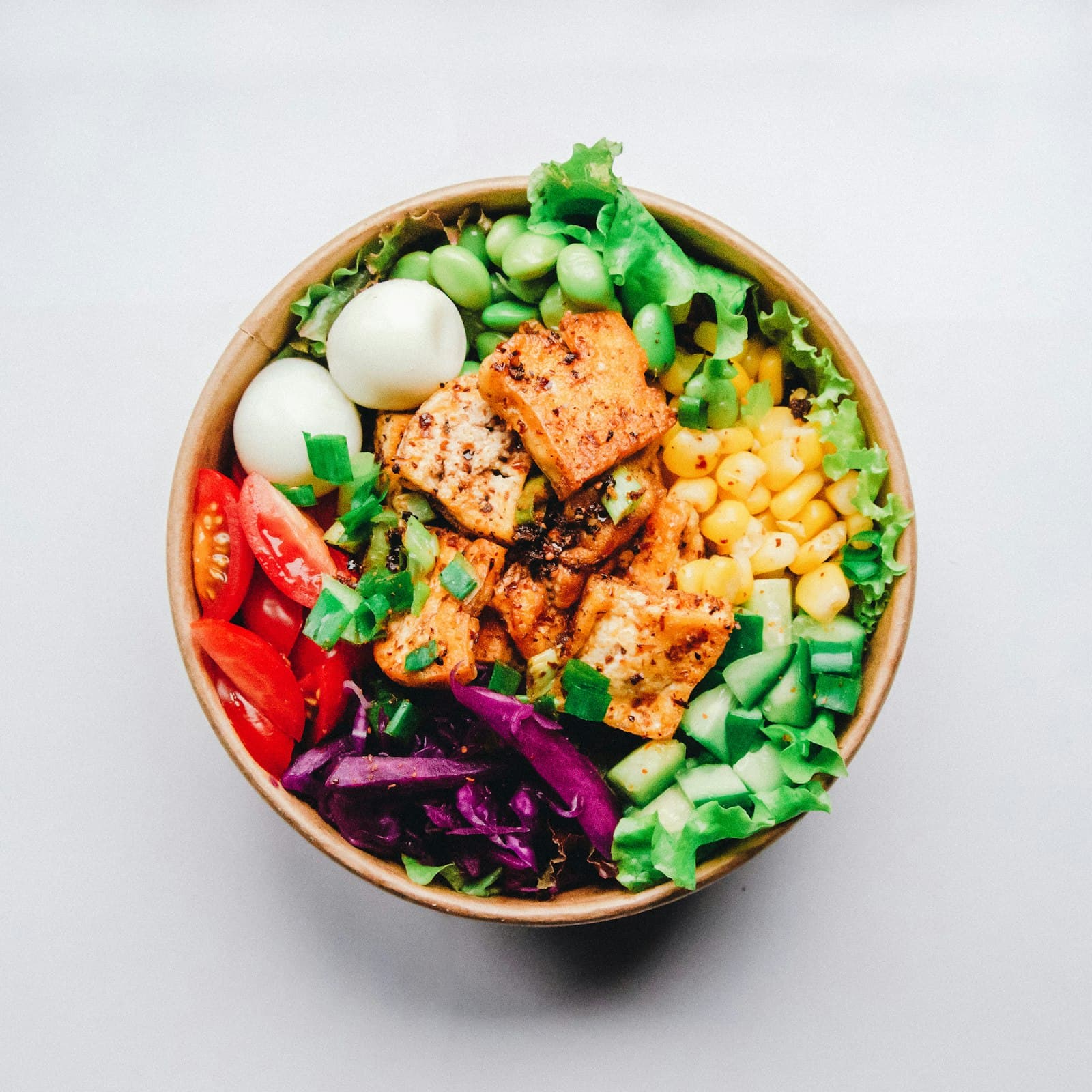
That's 129g and you've barely tried. Most people miss not because the foods are exotic but because they default to carb-heavy meals (pasta, sandwiches, smoothie bowls) and add protein as garnish instead of as the centerpiece.
The downstream effects of getting it right
- You stay full longer — protein has the highest satiety per calorie
- You preserve muscle in a calorie deficit, so weight loss looks like fat loss instead of "smaller flabby you"
- You age slower — sarcopenia (muscle loss) is the strongest non-disease predictor of frailty after 60
The cheapest sources are eggs, lentils, Greek yogurt, canned tuna, and ground turkey. The cost barrier is mostly mythical.